Baseball's rules are always evolving and, within the last two decades, we've seen some major changes to the game. There was the introduction of instant replay in 2008 (and the expansion of instant replay in 2014). The automatic intentional walk in 2017. The three-batter minimum in 2020, which was set to take effect before the pandemic. The pitch clock in 2023. So much more.
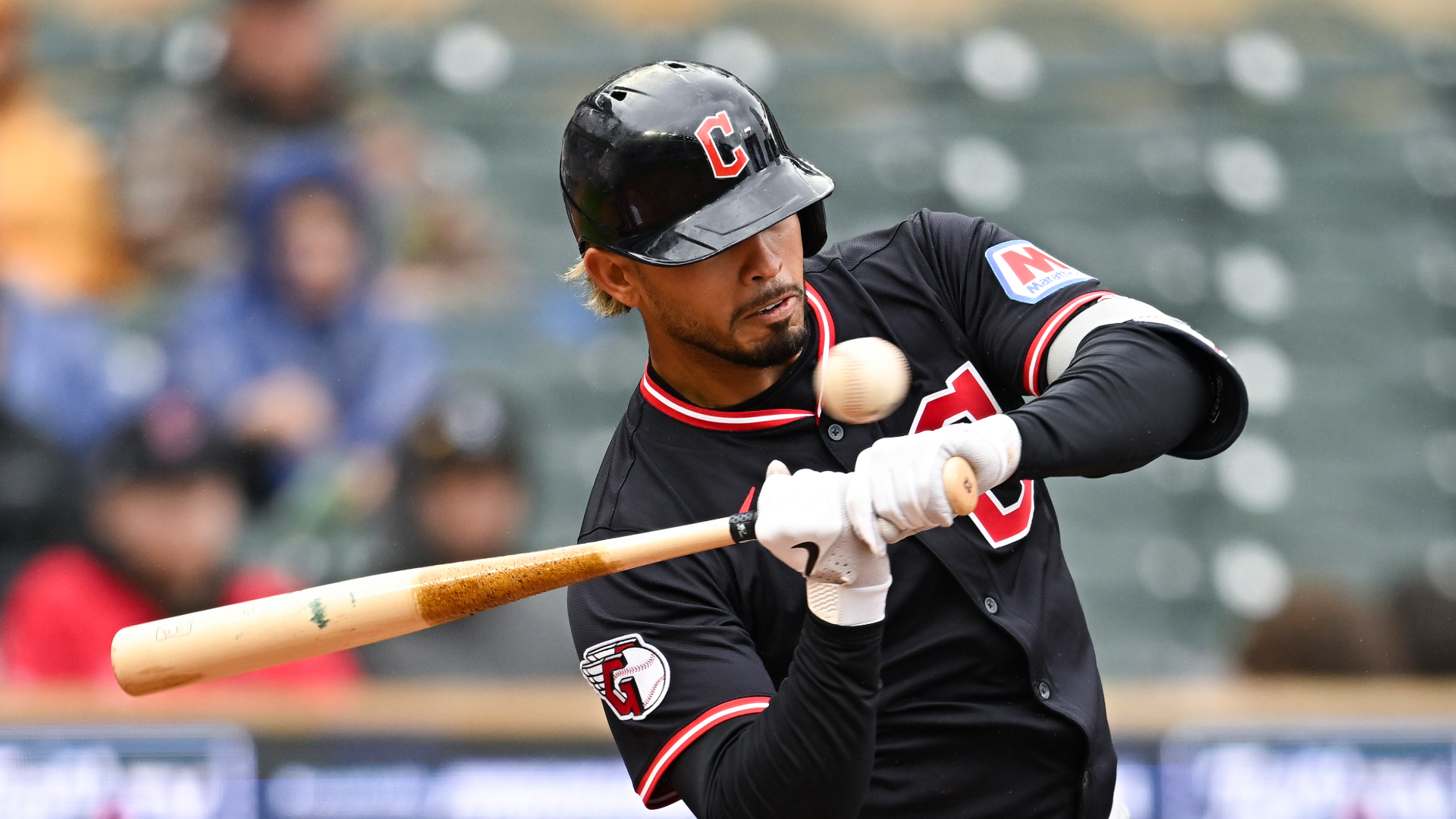
This season will bring another rule change. Major League Baseball is adopting the ABS challenge system, which allows players to appeal ball/strike calls to ABS (short for automated balls and strikes). Teams get two challenges per game and keep it when they're successful. The system has been tested in the minors for years; this isn't a newfangled idea.
MLB brings ABS to regular season: Everything to know about the automated ball/strike challenge system
Mike Axisa
More on-field rule changes are coming. What and when? I'm not sure, exactly, but changes are coming. They are inevitable. Here are a few rule changes that are being tested in the minors and could one day come to MLB.
Full ABS
The ABS challenge system is just a stepping stone to a fully automated strike zone. I don't know if we'll get full ABS in two years or five years or 15 years, but it's coming, and I would bet on it being sooner rather than later. Full ABS has been tested at various points in various minor leagues for close to a decade now. More than a few big leaguers played with it as they were coming up. Now that the challenge system is in place, the calls for full ABS will grow louder. The technology is in place. Why not use it?
Check swing challenges
There is no rulebook definition of a check swing. A swing is defined as "an attempt to strike a ball" and that's it, so when you hear that the hitter broke the plane, that doesn't actually mean anything. Check swing calls boil down to whether the umpire believes the hitter intended to swing at the pitch. Nothing more. The rulebook provides no further guidance.
MLB could one day change this. Two years ago, the league began testing a check swing challenge system in the Arizona Fall League. The Hawk-Eye technology that gives us bat speed and swing plane was used to evaluate check swings. The "plane" was set at 45 degrees, allowing the bat to travel much farther than the usual check swing. Here's an example:
The check swing challenge system was tested in the Low-A Florida State League last year and this year it will move to the Triple-A Pacific Coast League. In the Triple-A International League, umpires will enforce the 45-degree plane, but without the challenges. That 45-degree line is jarring at first, though it has helped reduce strikeouts, so MLB is sticking with it for the time being.
The fact that the check swing challenge system has been tested at multiple minor league levels and has advanced to Triple-A suggests it is, at minimum, on MLB's radar for the big leagues. Perhaps some fine-tuning will take place before it arrives at the highest level, but there is definitely some momentum here. This feels like it could be MLB's next major on-field rule change.
Moving second base
The bases are 90 feet apart, right? Except not really. Here is the layout of the bases from Appendix 2 of MLB's rulebook:
Home plate, first base, and third base are tucked neatly (and logically) into the corner of the 90-foot diamond. Second base though? Second base is positioned with the corner of the diamond in the middle of the bag, not in the corner. This is because first and third base were moved inward to help umpires with fair/foul calls in the very early days of baseball (as in, before 1900).
This summer, MLB will test an infield layout with second base moved up and nestled into the corner of the diamond (similar to first and third bases) in the Triple-A International League. The distance between first and second and second and third bases is 87 feet and nine inches once you factor in the base. At the new second base location, that will be trimmed to an even 87 feet.
Nine fewer inches between first and second and between second and third will further encourage stolen base attempts, which have already been juiced by the larger bases and limit on pitcher disengagements that were put in place three years ago. Similar to the check swing challenge system, moving second base up is now being tested in Triple-A. It may not be far from MLB.
Pitch clock tweaks
MLB has already tweaked the pitch clock once. It started at 15 seconds with the bases empty and 20 seconds with men on base. After one year, that was changed to 18 seconds with men on base. MLB tested a flat 17-second pitch clock in all situations in Triple-A some years ago, which did not produce the desired results, so it was scrapped. Some other possible pitch clock tweaks:
- No batter timeout when the bases are empty
- One disengagement per at-bat, not two
- The catcher giving signs counts against the clock
- PitchCom malfunctions count as mound visits
Those pitch clock tweaks (plus a few more) will be tested at various minor-league levels in 2026. That last one is a big one. Surely you don't believe all those PitchCom malfunctions are real, do you? There's some gamesmanship going on there, whether it's a pitcher slowing the game down for himself or buying time for the bullpen. The mound visit rule could cut down on that.
Cutting down to one pitcher disengagement per at-bat would boost stolen base attempts even further and, as exciting as stolen bases are, there's probably a point where there are too many. Part of the logic behind testing these rules in the minors is finding out where that point is, if it exists. More pitch clock tweaks could be coming in the near future, for sure.



-3.png)